

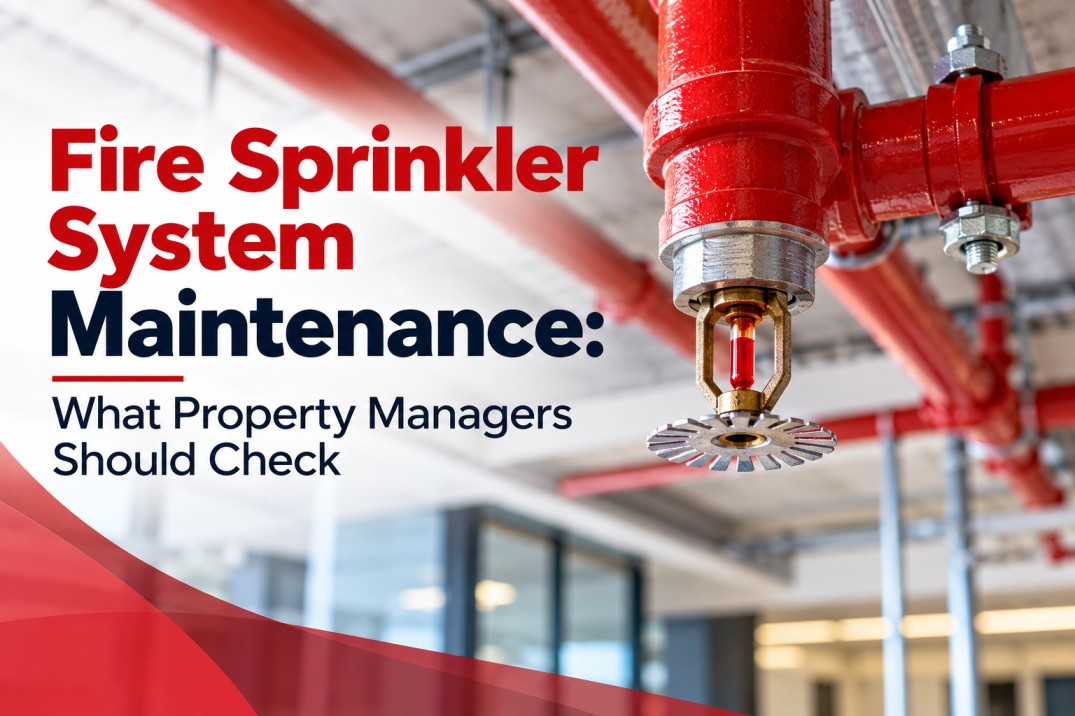
Fire sprinkler systems play an important role in protecting commercial buildings from fire hazards. Offices, shopping malls, warehouses, hotels, hospitals, and residential complexes need properly maintained sprinkler systems to support fire safety. Regular maintenance helps identify faults, prevent unexpected failures, and ensure the system operates as intended during an emergency.
For property managers, understanding the essential sprinkler system maintenance requirements is important for maintaining building safety and meeting applicable fire safety regulations. This guide covers the main inspection points, testing procedures, and maintenance practices that commercial property managers should follow.
Why Is Fire Sprinkler System Maintenance Important?
A fire sprinkler system must remain ready to respond when a fire occurs. Damaged sprinkler heads, closed control valves, leaking pipes, and insufficient water pressure can affect system performance.
Regular maintenance helps property managers identify these issues before they become serious problems. It also supports compliance with applicable fire safety requirements and helps reduce the risk of costly equipment repairs.
Professional maintenance for the fire sprinkler system in Al Ain typically includes visual inspections, functional testing, valve checks, pipe assessments, and verification of water supply conditions. The inspection frequency depends on the system type, applicable regulations, manufacturer recommendations, and the building’s risk profile.
7 Important Fire Sprinkler Inspection Points
1. Check Sprinkler Heads for Damage
Sprinkler heads are essential components of the fire protection system. They release water when exposed to the required activation conditions. Damaged, painted, corroded, or obstructed sprinkler heads may not operate correctly.
During sprinkler inspection, property managers should check for visible damage, corrosion, paint deposits, physical obstructions, and signs of leakage. Storage racks, decorative fixtures, suspended items, and recently installed partitions should not interfere with sprinkler coverage.
Any damaged or contaminated sprinkler head should receive attention from a qualified fire protection technician. Avoid attempting to repair or modify sprinkler heads without professional guidance.
2. Inspect Control Valves
Control valves regulate the water supply to the sprinkler system. If a valve remains closed or partially closed when it should be open, the system may not receive the required water supply during a fire.
Property managers should verify that control valves remain in their designated operating positions and that their identification labels are visible. Where applicable, valve supervision devices and tamper switches should also be checked.
During routine fire sprinkler servicing, technicians can examine valve condition, confirm proper operation, and identify signs of corrosion or leakage. Any valve closure required for maintenance should follow an approved impairment procedure.
3. Examine Pipes and Fittings for Leaks
Sprinkler pipes distribute water throughout the protected building. Leaks, corrosion, loose fittings, and physical damage can compromise the system’s reliability.
Inspect accessible pipework, joints, supports, and fittings for water stains, rust, dripping water, and unusual changes in pipe condition. Pay particular attention to areas exposed to moisture, temperature changes, or accidental impact.
Property managers should arrange prompt repairs when they identify damaged components. They should also ensure that replacement parts and repair methods meet the system’s specifications and applicable requirements.
4. Verify Water Pressure and Supply
A sprinkler system needs an adequate water supply to operate according to its design. Low pressure, supply interruptions, or problems with pumps and associated equipment can affect performance.
Sprinkler system testing may include pressure readings, water supply checks, flow testing where required, and assessments of connected fire pumps. Technicians should compare the results with the system’s approved design criteria and relevant testing requirements.
Property managers should maintain records of previous test results to help identify unusual changes. Any pressure or flow issue requires investigation by a qualified technician rather than an assumption that the system remains operational.
5. Check Alarm and Monitoring Devices
Modern fire sprinkler systems may connect to flow switches, pressure switches, alarm valves, and building fire alarm panels. These devices help indicate sprinkler activation or other abnormal conditions.
Inspection should confirm that the relevant monitoring devices operate correctly and communicate with the designated alarm system. Technicians should also check for fault indications, disconnected wiring, and communication problems.
Testing should follow the approved procedure and include coordination with building occupants, monitoring providers, and relevant authorities where necessary. Property managers should ensure that temporary alarm isolation does not leave the building without appropriate protection.
6. Inspect Fire Pumps and Associated Equipment
Buildings that depend on dedicated fire pumps require suitable inspection and maintenance of the associated equipment. Pump performance can affect the availability of water at the required pressure and flow.
Depending on the installation, maintenance may include checking pump condition, controllers, power supplies, fuel levels for diesel-driven pumps, leaks, abnormal noise, and vibration. Required operational tests should follow the manufacturer’s instructions and applicable standards.
Property managers should arrange qualified fire sprinkler servicing when a pump fails a test, displays a fault, or shows signs of deterioration.
7. Maintain Clear Access to Sprinkler Equipment
Fire protection equipment must remain accessible for inspection, operation, and maintenance. Blocked valves, inaccessible sprinkler heads, and storage placed too close to protected areas can create avoidable problems.
Property managers should keep valve rooms, fire pump rooms, and equipment access routes clear. They should also review changes to storage layouts, ceilings, partitions, and building use to determine whether the existing sprinkler coverage remains suitable.
A qualified fire protection professional should assess changes that could affect system design or coverage.
How Often Should Commercial Sprinkler Systems Be Inspected?
The inspection and testing schedule varies according to the system, equipment type, local fire code, and applicable standards. Some checks require frequent visual attention, while other inspections and functional tests follow scheduled intervals.
Property managers should:
- Follow the approved maintenance schedule and manufacturer instructions.
- Arrange inspections and testing by qualified fire protection professionals.
- Maintain records of inspections, test results, repairs, and identified defects.
- Resolve deficiencies within the required timeframe.
- Review local authority requirements and applicable fire safety standards.
For buildings in the UAE, property managers should confirm the relevant requirements with the applicable Civil Defence authority and the building’s approved fire safety arrangements.
Common Fire Sprinkler Maintenance Mistakes to Avoid
Several maintenance mistakes can reduce the reliability of a sprinkler system. These include ignoring minor leaks, allowing equipment access to become blocked, painting sprinkler heads, closing valves without proper controls, and failing to document repairs.
Another common mistake is assuming that a visual inspection alone confirms system performance. Certain faults require functional testing, specialist tools, or a detailed assessment by qualified technicians.
Property managers should also avoid delaying repairs after a failed test. If the system becomes impaired, they must follow the applicable impairment procedure and arrange appropriate temporary precautions until protection is restored.
Choose Professional Sprinkler System Maintenance
Reliable fire protection requires consistent inspection, appropriate testing, accurate documentation, and timely repairs. A structured sprinkler system maintenance programme helps commercial property managers identify potential problems and keep essential fire safety equipment in suitable working condition.
Professional technicians can assess sprinkler heads, control valves, piping, water supply, alarm devices, and fire pumps according to the installed system and applicable requirements.
By prioritising preventive maintenance and addressing defects promptly, property managers can strengthen fire safety preparedness and support the continued protection of occupants, assets, and commercial premises.