

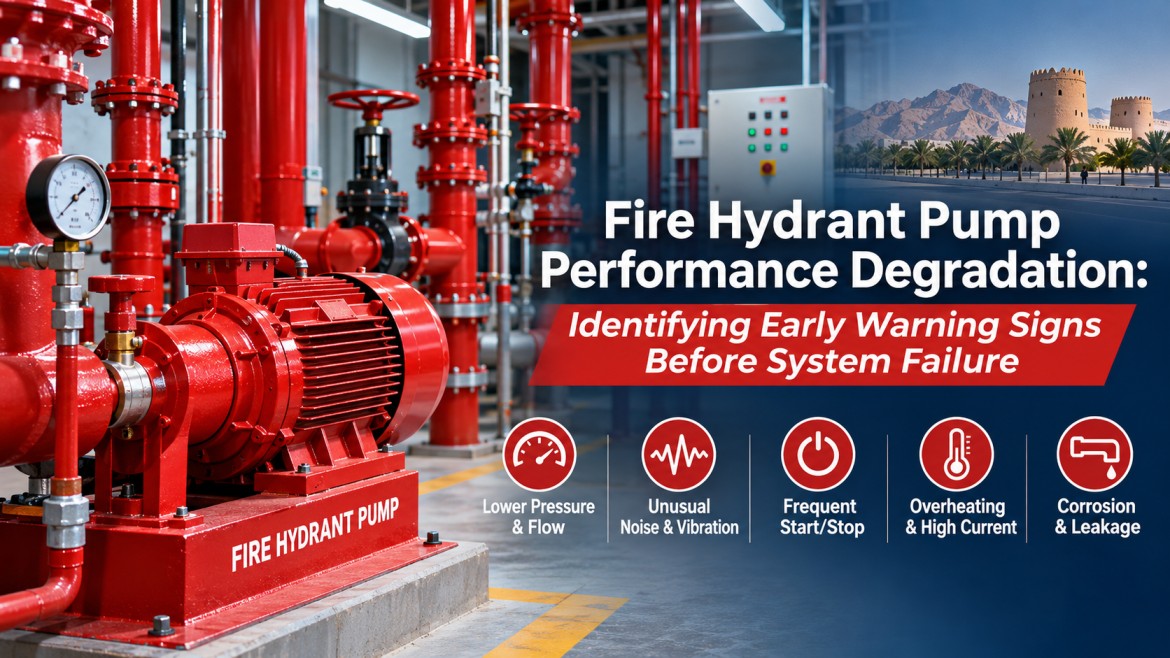
Fire hydrant pumps are critical components of fire protection infrastructure in commercial buildings, industrial facilities, warehouses and large-scale developments. Their ability to maintain the required water flow and pressure directly influences the effectiveness of the entire fire hydrant network. Over time, mechanical wear, electrical faults, hydraulic restrictions and inadequate maintenance can reduce pump performance. These problems may develop gradually without obvious signs until the system fails to deliver the required performance during an emergency. For CEOs, facility managers, industrial operators and property developers, understanding these warning signs is essential for protecting infrastructure, maintaining operational readiness and reducing unexpected maintenance costs.
How Fire Hydrant Pump Performance Deteriorates Over Time
Fire hydrant pumps operate under specific design conditions to deliver the required pressure and flow throughout the distribution network. Changes in these operating conditions can affect overall system performance.
Common causes of performance degradation include:
- Mechanical wear in impellers, bearings and shafts.
- Corrosion within pump components and connected pipelines.
- Electrical motor and controller malfunctions.
- Blockages in suction and discharge pipelines.
- Air leakage and inadequate suction conditions.
- Incorrect valve positioning or damaged components.
- Insufficient preventive maintenance.
Monitoring these factors helps businesses identify developing problems before they compromise fire protection readiness.
1. Declining Water Pressure and Flow Rate
A noticeable reduction in discharge pressure or water flow is one of the most important indicators of fire hydrant pump degradation.
A pump that previously delivered the expected hydraulic performance may begin producing lower pressure due to internal damage, pipeline restrictions or changes in water supply conditions.
Potential causes include:
- Impeller erosion or damage.
- Blockages within suction or discharge pipelines.
- Internal leakage or worn pump components.
- Air entering the suction line.
- Partially closed isolation valves.
- Changes in water supply availability.
Reduced pressure can affect multiple hydrants connected to the same network, particularly during simultaneous water demand. Facility managers should arrange periodic performance testing and compare actual readings against approved design requirements, pump curves and previous test records.
2. Unusual Noise and Excessive Mechanical Vibrations
Changes in operating noise and vibration can indicate developing mechanical problems within fire hydrant pumps. Excessive vibration may result from shaft misalignment, worn bearings, damaged impellers, loose foundation bolts or cavitation. If ignored, these conditions can accelerate component deterioration and increase the possibility of equipment failure.
Important warning signs include:
- Grinding, rattling or unusual operating sounds.
- Increased vibration during pump operation.
- Abnormal bearing temperatures.
- Repeated mechanical seal leakage.
- Unusual movement around the pump foundation.
Regular mechanical inspections help identify these problems early and reduce the likelihood of extensive repairs.
3. Frequent Pump Starting and Stopping
Unexpected pump cycling can indicate pressure fluctuations, leakage or problems within the pressure maintenance and control arrangements.
For example, frequent jockey pump activation may indicate minor pipeline leakage, faulty valves or pressure losses within the network.
Other possible causes include:
- Incorrect pressure switch settings.
- Defective pressure sensors.
- Leaking pipeline connections.
- Faulty control panel components.
- Pressure maintenance system issues.
Maintenance teams should investigate repeated starting and stopping instead of treating it as normal operating behaviour. Pump controllers and pressure maintenance arrangements must operate according to the approved system design.
4. Pump Overheating and Abnormal Electrical Readings
Excessive operating temperatures can indicate mechanical friction, bearing problems, inadequate cooling or unsuitable operating conditions. Electrical fire pumps may also experience abnormal current consumption when motors, electrical connections or control components deteriorate.
Facility managers should regularly monitor:
- Motor operating temperature.
- Electrical voltage and current readings.
- Bearing temperature.
- Pump operating duration.
- Changes in vibration and noise.
Comparing these readings with historical maintenance records helps identify abnormal operating patterns. Electrical and mechanical investigations should follow manufacturer recommendations and applicable safety procedures.
5. Corrosion and Leakage in Fire Hydrant Pump Components
Corrosion and water leakage can gradually weaken fire hydrant pump installations and affect the reliability of connected infrastructure. Exposure to moisture, unsuitable water conditions and inadequate protective coatings can contribute to corrosion across metallic components. Critical inspection areas include:
- Pump casing and connecting flanges.
- Suction and discharge pipelines.
- Isolation and check valves.
- Mechanical seals and joints.
- Pipe supports and connecting fittings.
Early identification of corrosion, leakage and component deterioration helps prevent more extensive repairs and protects the integrity of the fire hydrant network.
6. Why Fire Hydrant Pump Performance Testing Is Essential
Routine performance testing provides measurable information about the actual condition of fire hydrant pumps. A comprehensive assessment should evaluate operating parameters against the approved pump curve and system design. Depending on the applicable standards and installation requirements, testing may include:
- Churn or no-flow testing.
- Rated-flow performance testing.
- 150% flow testing, where required by the applicable standard and pump rating.
- Suction and discharge pressure measurements.
- Electrical motor performance checks.
- Controller operation and alarm verification.
Testing should be performed by qualified fire protection professionals using suitable procedures and calibrated instruments.
Documenting results and comparing them with previous readings allows facility managers to identify performance changes and plan corrective maintenance.
7. Selecting a Reliable Fire Hydrant System Contractor in Al Ain
For commercial and industrial facilities, maintaining fire protection infrastructure requires more than responding to equipment failures. Businesses need qualified professionals who understand system design, installation, commissioning and ongoing maintenance.
When evaluating providers for a fire hydrant system in Al Ain, decision-makers should consider the following factors:
- Experience in commercial and industrial fire protection projects.
- Knowledge of applicable UAE fire safety requirements.
- Technical expertise in fire hydrant pump installation.
- Ability to conduct hydraulic and pump performance testing.
- Availability of qualified technical personnel.
- Access to suitable replacement components.
- Detailed maintenance reports and documentation.
- Responsive after-sales technical support.
Businesses searching for the best fire hydrant system installation in Al Ain should evaluate contractors based on their engineering capabilities, installation standards, testing procedures and long-term maintenance support rather than focusing only on initial project costs.
8. Building a Preventive Maintenance Strategy for Fire Hydrant Pumps
Preventive maintenance helps businesses identify developing equipment problems and maintain the operational readiness of their fire protection infrastructure.
An effective maintenance programme should include:
- Scheduled visual inspections of pumps, valves and pipelines.
- Periodic pump performance testing.
- Mechanical inspections of bearings, seals and couplings.
- Electrical checks of motors and controllers.
- Inspection of pipeline connections for corrosion and leakage.
- Verification of alarms and control system operation.
- Documentation of maintenance activities and corrective actions.
Maintenance intervals should follow applicable regulations, manufacturer instructions and the approved maintenance programme.
For organisations managing multiple commercial or industrial facilities, maintaining centralised equipment records also helps track recurring issues, maintenance expenditure and asset condition.
Conclusion
Fire hydrant pump performance degradation can develop through mechanical wear, hydraulic restrictions, electrical faults and inadequate maintenance. Monitoring pressure, flow, vibration, temperature and leakage gives facility managers valuable information about the condition of their fire protection infrastructure.
For businesses operating in Al Ain, investing in professionally designed fire protection systems and reliable maintenance support is essential. Selecting an experienced contractor for fire hydrant system installation and ongoing servicing helps businesses address equipment deficiencies, maintain system reliability and support long-term fire safety readiness.
Fire Base provides fire protection system installation and maintenance solutions for commercial and industrial requirements, supporting businesses in maintaining dependable fire safety infrastructure.