
Fire protection systems play an important role in protecting buildings, employees, residents and valuable assets. However, installing fire safety equipment alone does not guarantee that it will work correctly during an emergency. Regular inspections, testing and servicing help ensure that every component remains ready for operation.
A fire safety Annual Maintenance Contract (AMC) provides a structured approach to maintaining fire protection systems throughout the year. Including preventive maintenance in the contract helps identify potential faults early, reduce unexpected equipment failures and maintain the required level of fire safety.
For residential, commercial and industrial properties in Al Ain, a well-planned fire safety maintenance contract can support long-term equipment reliability and help property owners manage their fire protection responsibilities.
What Is a Fire System AMC?
A fire system AMC is an agreement between a property owner or facility manager and a qualified fire safety service provider. It defines the maintenance services, inspection schedules and other responsibilities covered during the contract period.
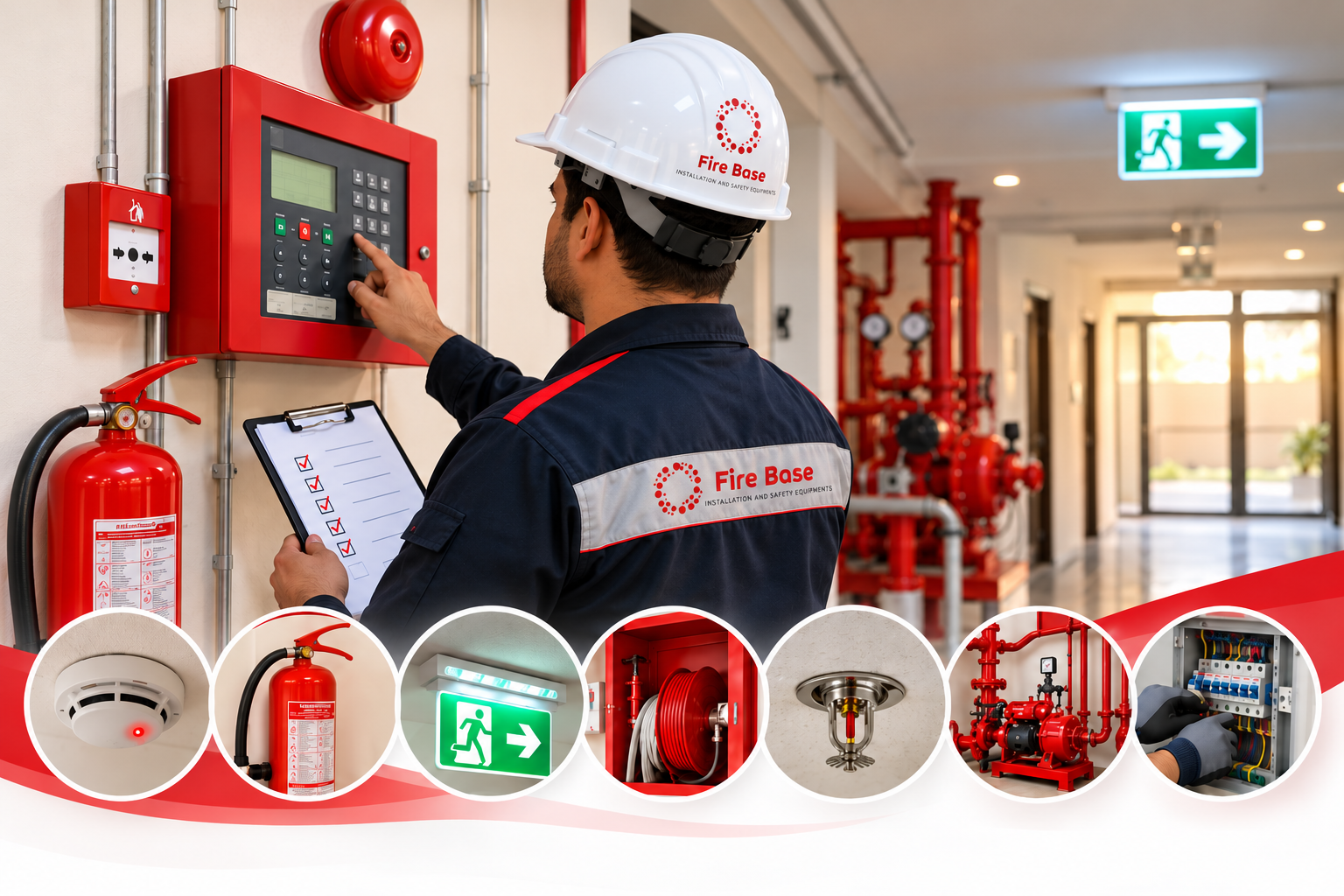
Depending on the property and the installed equipment, a fire system AMC may cover:
- Fire alarm systems and smoke detectors
- Fire extinguishers and associated equipment
- Emergency lighting and exit signs
- Fire hose reels and hydrant systems
- Fire sprinkler systems
- Fire pumps and control panels
- Fire suppression systems
The exact scope depends on the agreement, the equipment installed and the applicable regulatory requirements. Some contracts cover routine inspections and preventive servicing, while repairs, replacement parts and major corrective work may require separate charges.
Why Is Preventive Maintenance Important for Fire Safety?
Preventive maintenance involves inspecting, testing and servicing equipment at planned intervals to identify potential problems before they lead to failure. Instead of waiting for a fault or breakdown, technicians check the condition and performance of fire protection systems in advance.
Here are the main reasons preventive maintenance should be part of every fire system AMC.
1. Identify Equipment Faults Before an Emergency
Fire protection equipment may develop faults due to ageing components, dust, corrosion, damaged wiring or power supply problems. Some issues remain unnoticed until the system needs to operate.
Preventive maintenance helps technicians identify problems such as faulty smoke detectors, defective alarm sounders, damaged hoses and malfunctioning control panels.
Early detection allows property owners to arrange repairs before a fault affects system performance. It also helps reduce the risk of discovering a critical problem during an actual fire emergency.
2. Maintain Fire Alarm System Performance
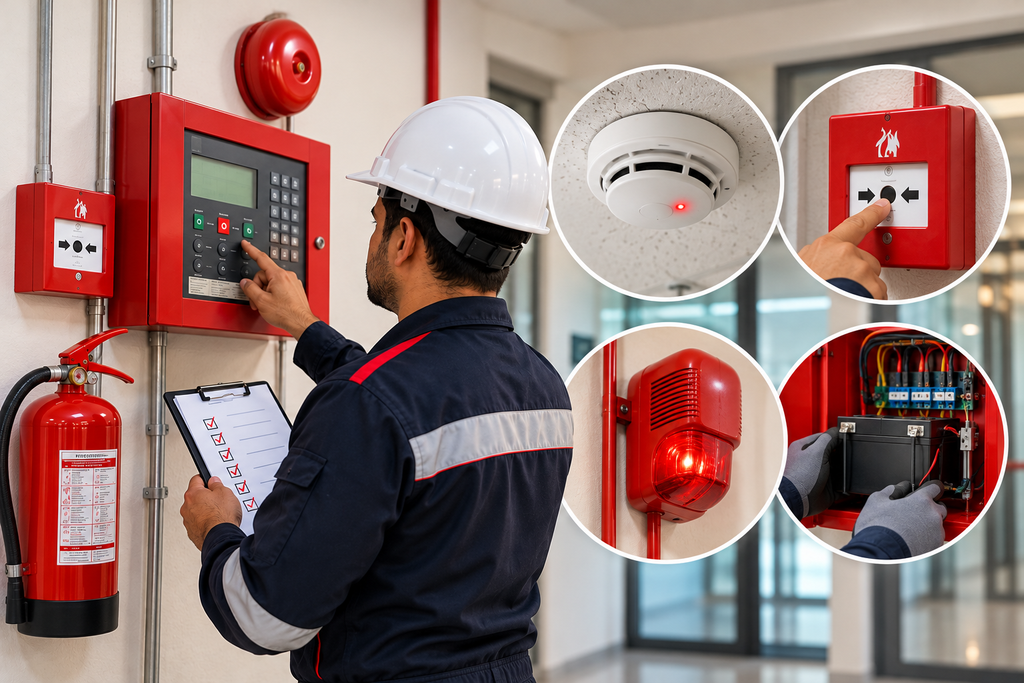
Fire alarm systems must detect potential fire conditions and alert occupants through the appropriate warning devices. A faulty detector or alarm component can delay the warning occupants need to respond safely. During scheduled maintenance, technicians can test detectors, manual call points, alarm sounders, control panels and backup power supplies according to the system requirements. These checks help confirm that the installed components operate as intended. Technicians should document any faults and arrange the necessary corrective action.
3. Reduce Unexpected Repair Costs
Waiting until equipment fails can result in urgent repair requirements, replacement costs and disruption to building operations. Preventive maintenance helps property managers plan servicing and identify components that need attention. For example, regular inspections may reveal a deteriorating battery, a leaking connection or a damaged fire hose before the problem becomes more serious. Although preventive maintenance does not eliminate every breakdown, it helps property owners manage maintenance budgets more effectively. It also supports better planning for spare parts, equipment replacement and follow-up visits.
4. Extend the Service Life of Fire Safety Equipment
Fire safety equipment requires appropriate care to maintain its condition and performance. Environmental conditions, frequent use, poor storage and a lack of servicing can contribute to deterioration. A planned maintenance programme helps identify wear, corrosion, loose connections and other signs of damage. Technicians can then recommend cleaning, adjustment, repair or replacement as necessary. Maintaining equipment according to manufacturer instructions can help extend its useful service life. However, maintenance cannot restore every ageing component, and equipment must be replaced when required.
5. Support Regulatory Compliance
Property owners and facility managers must understand the fire safety requirements applicable to their buildings. These requirements may include inspection schedules, functional testing, maintenance records and the use of appropriately qualified service providers. A fire safety preventive maintenance contract in Al Ain can help organise these activities through scheduled visits, documented inspections and corrective action tracking. An AMC does not automatically guarantee compliance. The contract must cover the relevant systems and required activities, and the property owner must address identified defects and meet applicable requirements set by the relevant authorities.
6. Keep Emergency Lighting and Escape Routes Ready
Emergency lighting and exit signs help occupants identify escape routes when normal lighting fails. Damaged lights, weak batteries or obstructed signs can make evacuation more difficult. Preventive maintenance includes checking emergency lights, battery condition, charging indicators and exit sign visibility. Technicians should also verify operation and emergency duration according to the applicable requirements. Property managers should ensure that corridors, staircases and designated escape routes remain clear. These measures support safer evacuation during a power failure or emergency.
7. Improve Maintenance Planning and Documentation
A structured AMC helps facility managers track inspection dates, equipment condition, service history and outstanding repairs. After each maintenance visit, the service provider should record the systems inspected, tests performed, faults identified and corrective actions completed or recommended. These records help property managers prioritise repairs, schedule future maintenance and identify recurring issues. They also provide useful documentation when reviewing the property’s fire safety arrangements.
How to Choose the Right Fire Safety AMC Provider in Al Ain
Selecting a suitable maintenance provider requires more than comparing contract prices. Property owners should evaluate the provider’s technical capability and the services included in the agreement.
Consider the following factors:
- Qualified technicians: Confirm that personnel have the appropriate training and authorisations for the systems they service.
- Clear maintenance scope: Check which equipment, inspections and tests the contract covers.
- Defined service schedule: Ensure the agreement specifies planned visits and applicable testing requirements.
- Fault reporting: Confirm that the provider documents defects and recommends corrective action.
- Emergency support: Understand the response arrangements for urgent faults.
- Transparent costs: Clarify whether spare parts, repairs and replacement equipment are included or charged separately.
A clear agreement helps avoid confusion about responsibilities and ensures that essential maintenance activities receive proper attention.
Conclusion
Preventive maintenance should form a core part of every fire system AMC because it helps identify faults early, maintain equipment performance, plan repairs and support fire safety compliance. For property owners and facility managers, a comprehensive fire safety maintenance contract provides a structured way to manage inspections and servicing throughout the year. When selecting a provider in Al Ain, confirm that the agreement covers the property’s actual fire protection systems, follows applicable requirements and includes clear procedures for reporting and correcting faults. Regular preventive maintenance cannot remove every fire risk, but it helps keep essential fire protection equipment in better working condition and supports a safer environment for everyone in the building.